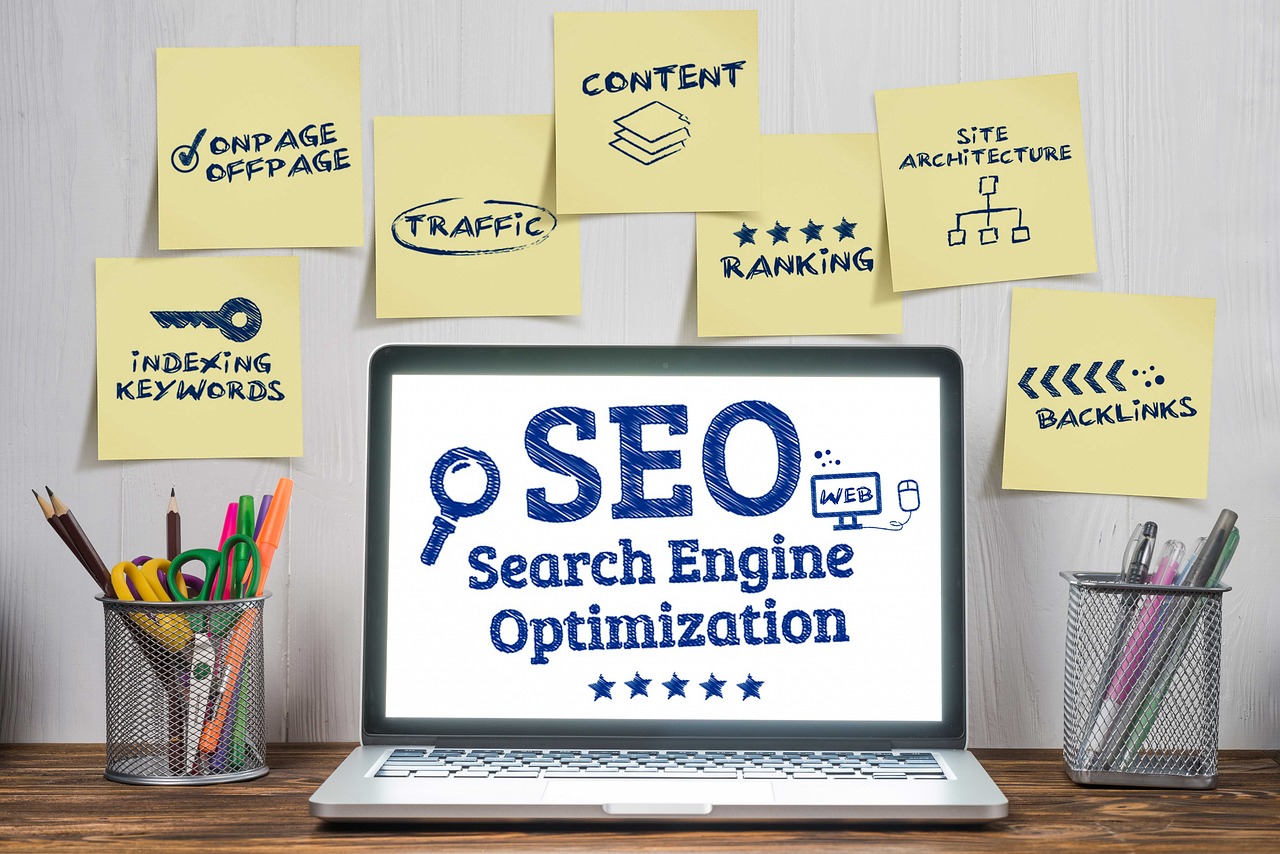

SEO Vancouver plays a crucial role for businesses looking to improve their online visibility in a highly competitive market. It involves optimizing websites to rank higher in search engine results, helping companies attract more local customers and increase traffic. Effective SEO in Vancouver focuses on tailored strategies that consider local search behavior, relevant keywords, and competitive analysis.
Many agencies in Vancouver offer specialized services that include keyword research, content optimization, link building, and digital marketing integration. These elements work together to help businesses stand out in search results and reach their target audience more efficiently. By investing in SEO, companies can build a stronger online presence and drive sustainable growth.
SEO Vancouver Strategies
Effective SEO in Vancouver requires a focus on local visibility, precise keyword targeting, and technical adjustments tailored to the market. Managing online business profiles also plays a crucial role in maintaining relevance and trust with local customers.
Local SEO for Vancouver Businesses
Local SEO targets potential customers within the Vancouver area by emphasizing location-specific signals. It involves optimizing listings on platforms like Google Business Profile, ensuring consistent name, address, and phone number (NAP) information across directories. This consistency improves local search rankings.
Local citations and backlinks from Vancouver-based websites increase authority and relevance. Reviews from local customers help build trust and influence search engine algorithms. Incorporating neighborhood and city names naturally into website content boosts location relevance.
The goal is to appear prominently in local map packs and organic results, which drives more foot traffic and qualified local leads.
On-Page Optimization Techniques
On-page SEO for Vancouver businesses includes optimizing title tags, meta descriptions, headers, and image alt text with keywords relevant to the local market. Fast page load speed and mobile-friendliness are critical due to the growing use of mobile devices by Vancouver residents.
Structured data markup, such as schema.org’s LocalBusiness schema, helps search engines understand the business context and improves appearance in rich results. Content should address local topics, events, or services to engage the Vancouver audience directly.
Internal linking enhances navigation and distributes page authority effectively. Clear call-to-actions on pages tailored to Vancouver visitors encourage conversions.
Vancouver Keyword Research
Keyword research for Vancouver SEO focuses on identifying terms local customers use when searching for products or services. It involves analyzing search volume, competition levels, and user intent specifically for the Vancouver market.
Tools like Google Keyword Planner and local analytics help uncover keywords that include “Vancouver,” neighborhood names, and nearby landmarks. Long-tail keywords with local modifiers generally have less competition and higher conversion potential.
Competitor analysis reveals gaps in keyword targeting and content opportunities. Prioritizing keywords by relevance and commercial intent ensures that traffic attracted is more likely to convert.
Google Business Profile Management
Managing a Google Business Profile (GBP) is essential for Vancouver businesses to appear in local searches and maps. Keeping the profile complete and updated with accurate business hours, address, phone number, and website URL maintains credibility with both users and Google.
Regularly posting updates, adding photos, and responding promptly to customer reviews improves engagement and trust. Highlighting features such as services offered, COVID-19 policies, or special offers can influence consumer decisions.
Monitoring insights on GBP performance lets businesses refine their local SEO tactics and better understand user behavior.
Choosing an SEO Agency in Vancouver
Selecting the right SEO agency requires a focus on specific criteria that impact local search results and business growth. Recognition of the agency’s local expertise, the evidence of past client achievements, and clear communication through reporting are essential to ensure a good fit and measurable success.
Evaluating Local SEO Experience
An SEO agency with a strong track record in Vancouver understands the city’s unique market conditions and consumer behavior. They leverage hyper-local targeting techniques, optimizing for local keywords, Google My Business, and regional directories to improve visibility among nearby customers.
Local experience also means familiarity with the competitive landscape, seasonal trends, and specific search patterns in Vancouver. Agencies that show proficiency in these areas can customize strategies, resulting in better rankings and greater relevance for local audiences. It’s important that the agency demonstrates recent case studies or certifications related to local SEO to validate their specialization.
Client Success Stories
Reviewing client success stories offers insight into an agency’s ability to deliver tangible results. Look for examples of increased organic traffic, improved search rankings, or substantial ROI within Vancouver-based businesses. Detailed case studies showing challenges, approaches, and measurable outcomes are most valuable.
Success stories should include diverse industries when possible, to verify adaptability. Positive testimonials highlighting responsiveness, strategic thinking, and collaboration are indicators of a reliable partnership. Verified reviews on platforms like Clutch or Google can further confirm an agency’s credibility and client satisfaction.
Transparent Reporting Practices
Transparency in reporting is critical for tracking progress and evaluating the effectiveness of SEO efforts. Reliable agencies provide regular, detailed reports that include key performance indicators such as keyword rankings, traffic sources, conversion data, and backlink profiles.
Reports should be clear and accessible, avoiding jargon to ensure clients fully understand the impact of campaigns. The frequency of updates—commonly monthly—and the availability of real-time dashboards allow businesses to monitor results and make informed decisions. Transparency also means agencies admit challenges and adjust strategies openly, fostering trust.