
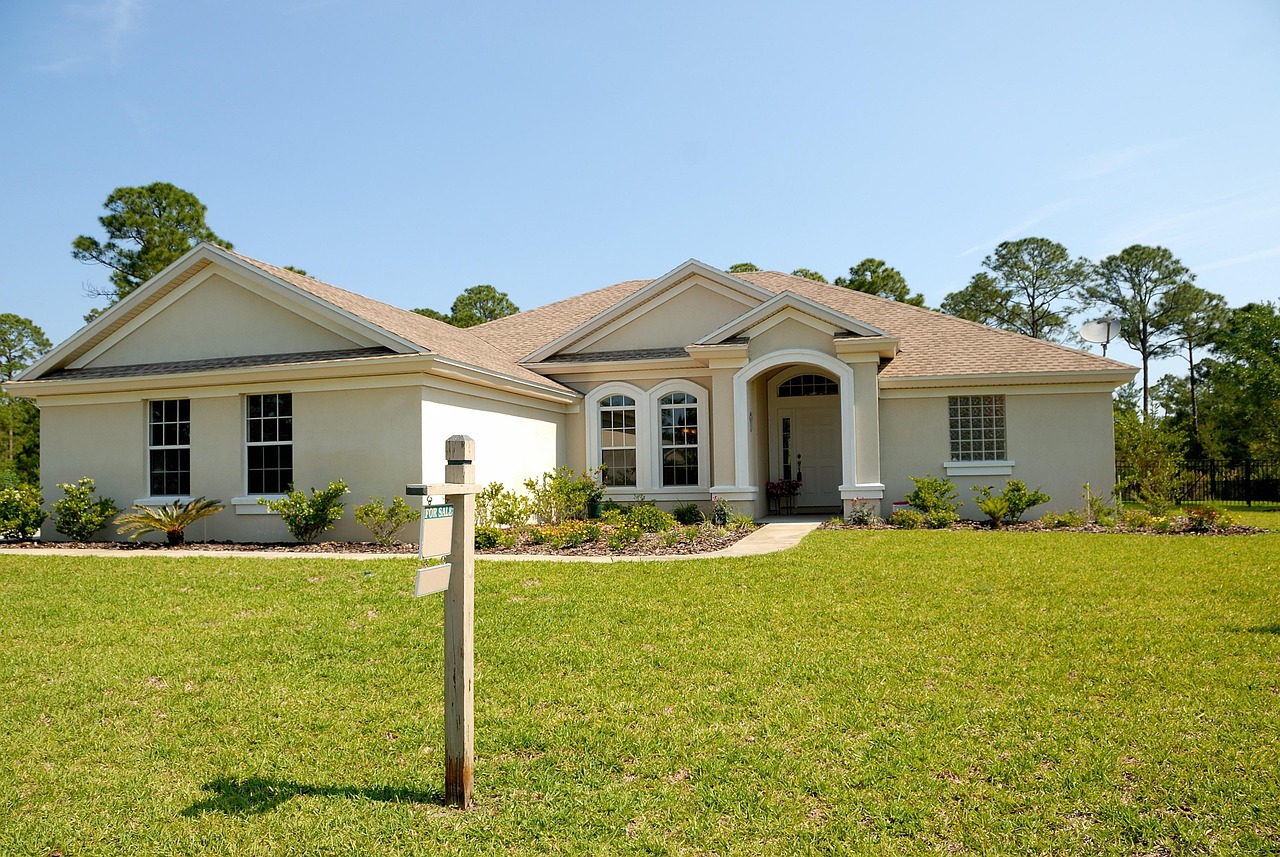

A reverse mortgage Ontario allows homeowners aged 55 and older to convert a portion of their home equity into tax-free cash without having to sell their property. This financial tool offers an option for retirement income, enabling individuals to access funds while remaining in their homes.
The amount available depends on factors like the homeowner’s age, the value of the home, and its location. With major providers such as HomeEquity Bank and Equitable Bank offering products tailored to this market, reverse mortgages have become a viable choice for many retirees seeking financial flexibility.
Understanding how reverse mortgages work and the specific terms in Ontario can help homeowners decide if this is the right strategy to support their needs in retirement.
Understanding Reverse Mortgage Ontario
Reverse mortgages in Ontario provide a way for seniors to unlock equity tied up in their homes without selling. Borrowers must meet specific criteria and choose from different loan types. The structure of these mortgages affects how funds are received and repaid over time.
What Is a Reverse Mortgage?
A reverse mortgage is a loan secured against a homeowner’s property. Unlike a traditional mortgage where the borrower makes monthly payments, this loan pays the homeowner. It allows those aged 55 or older to convert home equity into cash while continuing to live in their house.
The loan balance grows over time as interest and fees accumulate. It is repaid only when the homeowner sells the property, moves out permanently, or passes away. This product is designed to provide financial support during retirement without relinquishing homeownership.
Eligibility Requirements in Ontario
To qualify, homeowners must be at least 55 years old and own their property outright or have a low mortgage balance. The property must be a primary residence located in Ontario.
Lenders typically require an appraisal to determine the home’s current market value. The amount available through a reverse mortgage depends on the equity in the property and the borrower’s age. Borrowers should also have sufficient income to cover property taxes, maintenance, and insurance.
Types of Reverse Mortgages Available
In Ontario, the most common option is the Home Equity Conversion Mortgage, a product similar to CHIP’s reverse mortgage. These loans provide tax-free funds paid out as a lump sum, monthly payments, or a line of credit.
Each type has different advantages:
- Lump sum: Immediate access to maximum funds
- Monthly payments: Regular income stream
- Line of credit: Flexible withdrawals as needed
Choosing the right type depends on individual financial needs and lifestyle preferences.
How Reverse Mortgages Work
The homeowner applies through a lender or broker who evaluates eligibility and property value. Once approved, the loan amount is released based on the chosen withdrawal method.
Interest on the loan accumulates over time but requires no monthly payments. The balance, including interest and fees, is due when the homeowner sells, permanently leaves the home, or dies.
Borrowers must continue to maintain the property, pay property taxes, and keep insurance up to date to avoid default. The loan uses the home as collateral, so failure to uphold these obligations may lead to foreclosure.
Applying for a Reverse Mortgage in Ontario
A reverse mortgage application requires clear steps, understanding associated costs, and attention to legal and financial obligations. Homeowners must be prepared to provide documentation and seek advice to ensure the loan fits their needs and complies with regulations.
Application Process Overview
The application begins with meeting eligibility criteria: the homeowner must be at least 55 years old and own their home in Ontario. The property must be a primary residence and typically has restrictions on home types. Applicants often work directly with lenders specializing in reverse mortgages.
After initial consultation, the lender assesses the home’s value and the borrower’s financial situation. The amount available to borrow depends on age, property value, and current interest rates. Counseling is usually mandatory to explain terms and obligations. Once approved, funds can be advanced as a lump sum or monthly payments. The process generally takes a few weeks to complete.
Costs and Fees
Reverse mortgages come with specific fees that borrowers should consider upfront. These commonly include:
- Application or origination fee
- Appraisal costs for home valuation
- Legal fees for preparing the agreement
- Interest charged, which accumulates over time
Unlike traditional mortgages, there are no monthly payments required, but interest accrues and is added to the loan balance. This means the total repayable amount grows until repayment, usually when the homeowner sells or moves out permanently. Understanding these costs helps avoid surprises later in the loan term.
Legal and Financial Considerations
Ontario law requires borrowers to receive independent legal advice before finalizing a reverse mortgage. This ensures they fully understand their rights and obligations. Borrowers should review the contract carefully, paying attention to clauses on repayment, default conditions, and loan maturity.
Financially, a reverse mortgage affects home equity and estate value. It may impact eligibility for other government benefits and the ability to leave the home to heirs. Homeowners should weigh these factors and consider alternatives. Regular communication with the lender and professional advisors is advised to manage the loan effectively.