
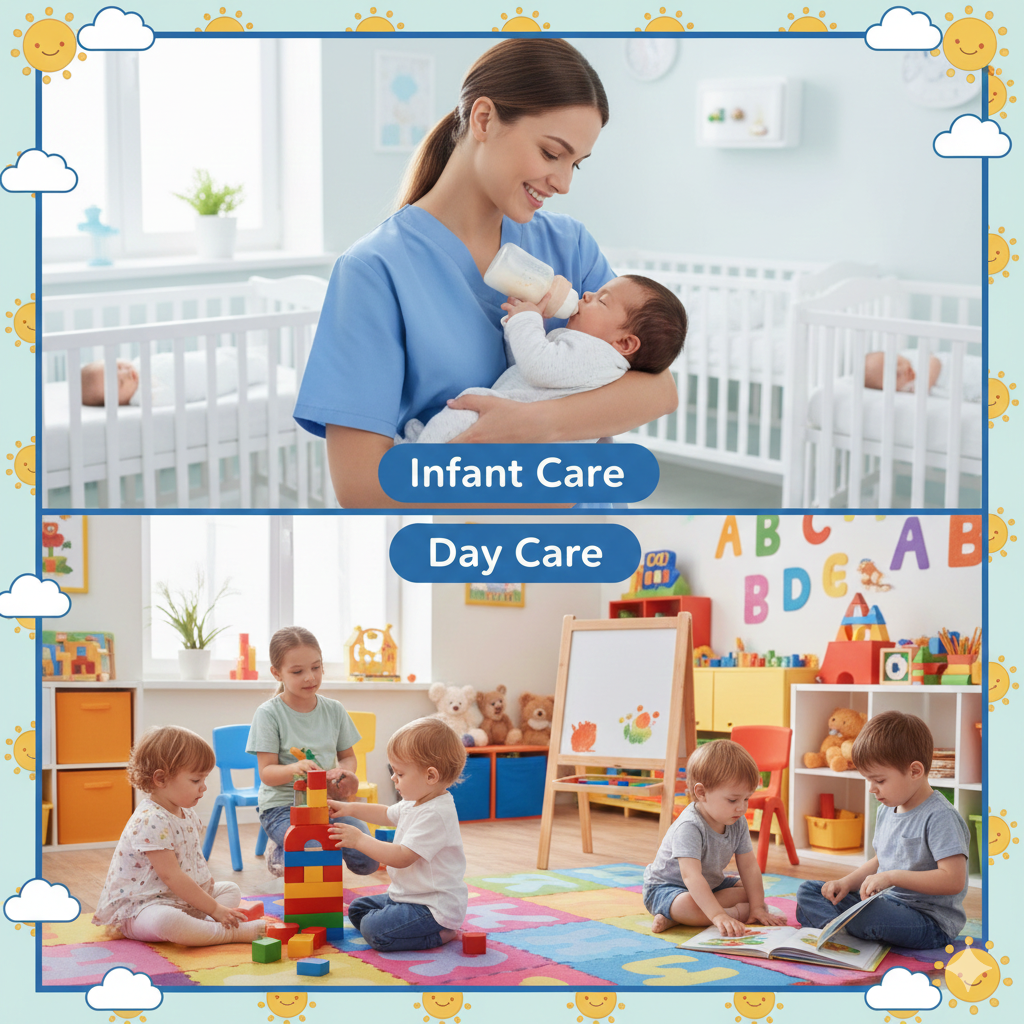

Finding a preschool near me that suits a child’s needs can make a significant difference in their early development. Many communities offer a variety of options, from international schools with specialized programs to affordable public pre-K centers. The best preschool near you is one that combines a safe environment, qualified educators, and a curriculum that supports both learning and socialization.
Parents often look for preschools with positive reviews, convenient locations, and programs aligned with their values. Whether searching for a bilingual setting, nature-based learning, or public-funded options, local resources and online platforms provide detailed information on availability, pricing, and parent feedback.
Choosing the right preschool involves considering factors like safety, teacher expertise, and curriculum quality. By exploring these elements, families can find a preschool that fosters growth and prepares children for future educational success.
How to Choose the Best Preschool Near Me
Choosing a best preschool involves careful attention to several key factors that impact a child’s early learning experience. Important elements include the educational approach, physical environment, staff expertise, and classroom dynamics. Evaluating these aspects ensures parents select a preschool that supports their child’s development effectively.
Evaluating Curriculum and Teaching Methods
Parents should examine the preschool’s curriculum to determine if it fosters cognitive, social, and emotional growth. Look for programs that balance structured activities with play-based learning. Important components include language development, motor skills, and early math concepts.
Inquiry into the teaching methods is essential. Some preschools emphasize Montessori or Reggio Emilia approaches, while others follow more traditional or academic models. The best fit depends on the child’s needs and family values.
Ask if the school integrates assessments or progress tracking to monitor each child’s development. A curriculum that adapts to varied learning paces supports better outcomes.
Assessing Safety and Cleanliness
Safety protocols must be clearly defined and strictly enforced. Parents should inquire about secure entry systems, staff background checks, and emergency procedures. Inspecting the facility for cleanliness and child-friendly design is crucial.
Look for regular sanitation practices, especially in high-touch areas like toys, bathrooms, and eating spaces. Well-maintained and organized environments reduce illness risks and accidents.
Outdoor play areas should be secure and free of hazards. Adequate supervision during both indoor and outdoor activities is mandatory for child safety.
Understanding Staff Qualifications
Qualified staff contribute significantly to both the educational quality and safety of the preschool. Verify that teachers hold relevant early childhood education credentials or certifications.
Experience in working with preschool-aged children is a key indicator of competence. Continuing education and professional development show a commitment to current teaching standards.
Staff-to-child communication style and responsiveness are important. Observing interactions during visits can provide insight into how staff engage with children.
Considering Class Sizes and Student-Teacher Ratios
Smaller class sizes and low student-teacher ratios allow for more individualized attention. Many experts recommend a ratio of no more than 10 children per teacher for preschool settings.
Low ratios help teachers manage the classroom effectively and support diverse learning styles. Larger classes may affect supervision and limit hands-on guidance.
Parents should ask about average class sizes and how many teachers or assistants are in the room. This directly impacts the quality of care and instruction each child receives.
Factors That Make a Preschool Stand Out
A preschool’s distinction often comes down to tangible qualities like community trust, program variety, and schedule flexibility. These elements together shape the overall experience for children and their families.
Parent Reviews and Community Reputation
Parent feedback provides real-world insights into a preschool’s daily operations and effectiveness. Positive reviews commonly highlight skilled teachers, effective communication, and visible child progress. Negative feedback often mentions concerns about safety, staff turnover, or unaddressed issues.
Community reputation extends beyond reviews. A preschool well-regarded locally often participates in community events and builds strong relationships with families. It may also receive endorsements from local educators or have accreditations that signal quality standards. This reputation helps parents feel confident in their choice.
Enrichment Programs and Facilities
Enrichment programs such as art, music, language development, and outdoor play are key indicators of a preschool’s commitment to holistic growth. Programs must be age-appropriate and well-integrated into the daily schedule to support various learning styles.
Facilities also matter. Clean, safe, and modern environments with age-specific learning materials create an inviting space that encourages exploration. Well-maintained classrooms, indoor and outdoor activity areas, and accessible resources enhance both safety and learning outcomes.
Flexible Schedules and Extended Care Options
Preschools that offer flexible scheduling accommodate working parents’ diverse needs. Options might include part-time, full-day, or staggered hours that allow families to align preschool attendance with their routines.
Extended care services, such as before- and after-school programs, provide added convenience. These services often include supervised activities or homework help, giving parents peace of mind and children consistent support outside standard hours. Flexibility is an important factor in meeting modern families’ demands.