

The Type 11 is a light machine gun developed in 1922 by Kijirō Nambu for the Imperial Japanese Army. It was Japan’s first domestically designed light machine gun, notable for its unique hopper feed system that allowed quick loading using standard rifle cartridges. This design aimed to improve battlefield efficiency but also introduced reliability issues that affected its performance.
Used extensively during the interwar period and World War II, the Type 11 was based on the French Hotchkiss M1909 but adapted for Japanese needs. Despite its innovative features, it was eventually replaced by more reliable models like the Type 96 and Type 99, as the army sought to address its shortcomings.
The weapon’s historical significance lies in its role as a precursor to later Japanese machine guns, reflecting both the technological ambitions and limitations of its time. Understanding the Type 11 offers insight into early 20th-century military design and Japan’s efforts to modernize its armed forces.
Understanding Type 11
Type 11 doc is a classification recognized across various domains, each defining it by specific traits or functions. Its origins and historical context vary by field, influencing how it is applied today. This type exhibits distinct features that set it apart from other classifications.
Definition and Core Characteristics
Type 11 is typically defined as a category that distinguishes individuals or items by unique traits not commonly found in other types. In personality frameworks, it often identifies people with strong intuition and a natural drive for harmony. They tend to seek balance in their relationships and environments.
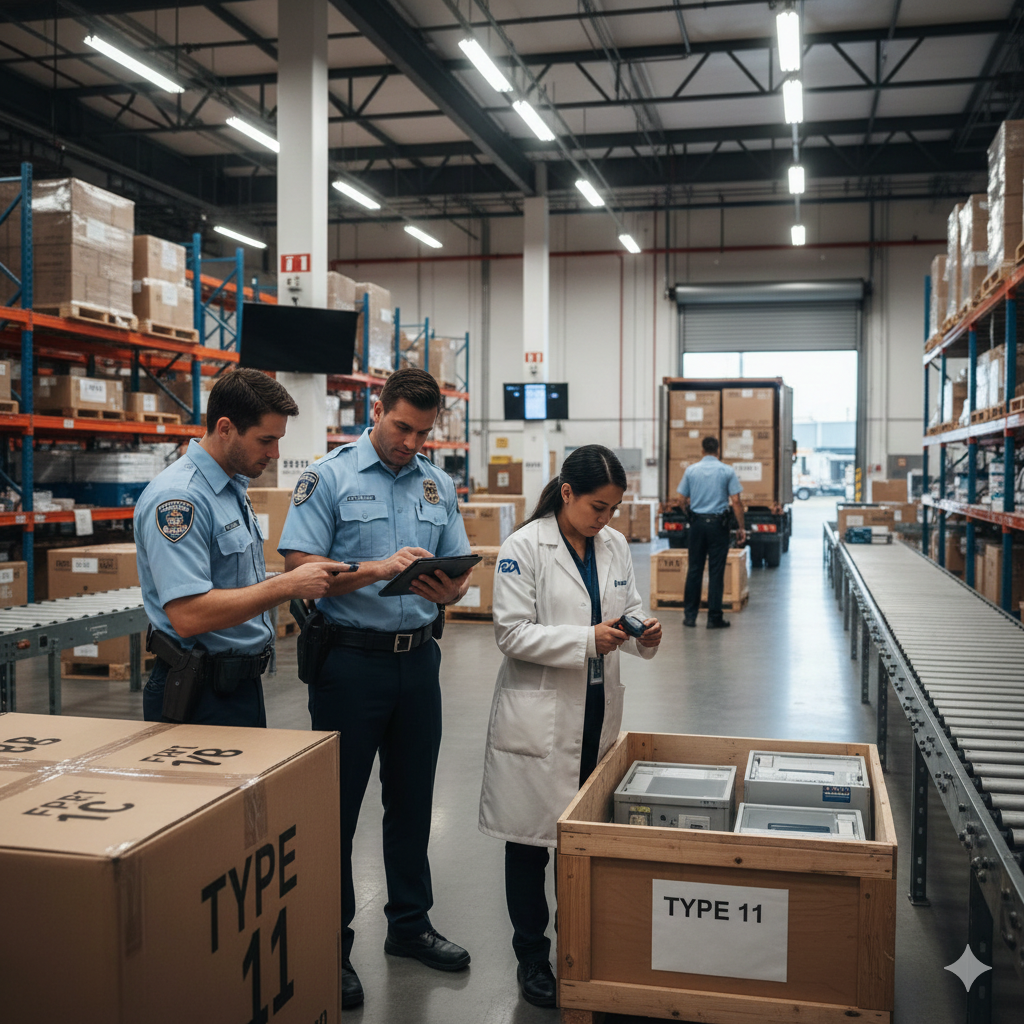
In logistics and customs, Type 11 refers to a classification for handling low-value shipments, usually parcels valued at $2,500 or less, requiring specific documentation and processes. The core characteristic here is simplifying customs clearance for small shipments to ensure efficiency.
Origins and Historical Context
The concept of Type 11 has roots in various systems, including psychology, education, and trade. Psychologically, it draws on early personality classification efforts inspired by Carl Jung’s theories, later expanded in frameworks like the Myers-Briggs Type Indicator, though Type 11 itself is less common in mainstream personality tests.
In customs and shipping, Type 11 emerged as a regulatory category designed to streamline small parcel entries, reflecting evolving trade needs and international shipping protocols. Its use has expanded to adapt to growing e-commerce demands, promoting quicker processing for low-value goods.
Common Applications
Type 11’s applications differ by context. In personality studies, it helps identify individuals with diplomatic skills who excel in managing social dynamics and contributing to group harmony. Coaches and counselors use this to tailor development plans.
In trade, Type 11 is essential for customs officials and logistics providers. It defines the entry process for low-value goods, influencing documentation requirements and clearance timelines. Businesses rely on this classification to reduce shipping delays and costs for small parcels.
Distinctive Features
The distinctive features of Type 11 often include a combination of unique behavioral or operational traits. For personality types, this may manifest as heightened intuition, empathy, and a preference for peaceful resolutions, making individuals effective mediators.
In shipping, the defining features involve value thresholds (usually $2,500 or less), simplified paperwork, and faster clearance compared to other entry types. These specifics differentiate Type 11 from higher-value or more complex shipment categories, emphasizing efficiency and compliance.
Comparisons and Impacts of Type 11
Type 11 demonstrates distinct characteristics when contrasted with other classifications, showing unique features across technology, personality frameworks, and medical contexts. Its influence spans multiple industries, driving efficiency and shaping innovation. Additionally, ongoing advancements aim to enhance its capabilities and broaden its applications.
Type 11 Versus Other Types
Type 11 differs significantly depending on the context. In military technology, the Type 11 missile system is an improvement over earlier models like the Type 81, offering better mobility and short-range air defense capabilities. Compared to other missile systems, it emphasizes efficient power use and robust design for durability.
In personality typologies, Type 11 contrasts with types like Type 9 by focusing more on structured decision-making rather than harmony. Medically, it may share symptoms with neighboring types, such as Type 12, but differs in severity and treatment approaches.
This variety in comparison highlights how Type 11 adapts to its specific sector, reflecting unique traits and applications that distinguish it from related types.
Industry Influence and Trends
Type 11 has had a notable impact on industries where it is applied, particularly in defense and logistics. The missile system has improved low-altitude air defense, enhancing national security with advanced radar and target tracking capabilities.
In logistics, Type 11 customs classification streamlines processing for low-value shipments under $2,500, aiding faster clearance and reducing costs. This makes it highly relevant for small parcel shipments.
Across sectors, Type 11 influences efficiency, operational costs, and innovation cycles. Its design principles encourage durability and reliability, setting standards followed by other systems and applications.
Future Developments
The trajectory of Type 11 points toward increased integration and upgraded performance. For the missile system, research focuses on enhancing target detection, speed, and interception success rates through improved radar and computing tech.
In logistics, further refinement of regulations and handling procedures aims to simplify customs processes even more, reducing delays and administrative burdens.
Broader applications of Type 11 may see advancements in material durability and power efficiency, opening doors to newer industries and higher operational standards. The ongoing evolution seeks to balance reliability with cutting-edge capability enhancements.