
Cremation services in Mumbai combine tradition with practical options so you can arrange dignified last rites that match your family’s needs and beliefs. You can choose between electric and traditional wood cremations, and trusted providers will handle transport, paperwork, and ritual arrangements to make the process as smooth as possible.
This article outlines how cremation works across Mumbai, what service options and costs to expect, and the steps you’ll take when arranging a cremation so you can make informed, respectful decisions under pressure.
Overview of Cremation Services in Mumbai
You can choose between traditional wood pyre and electric (electric furnace) cremations, arrange transport and pandit services, and complete required paperwork such as the death certificate and cremation permit. Facilities vary by location, capacity, and the range of on-site services like waiting rooms, online booking, and vehicle handling.
Types of Cremation Services Offered
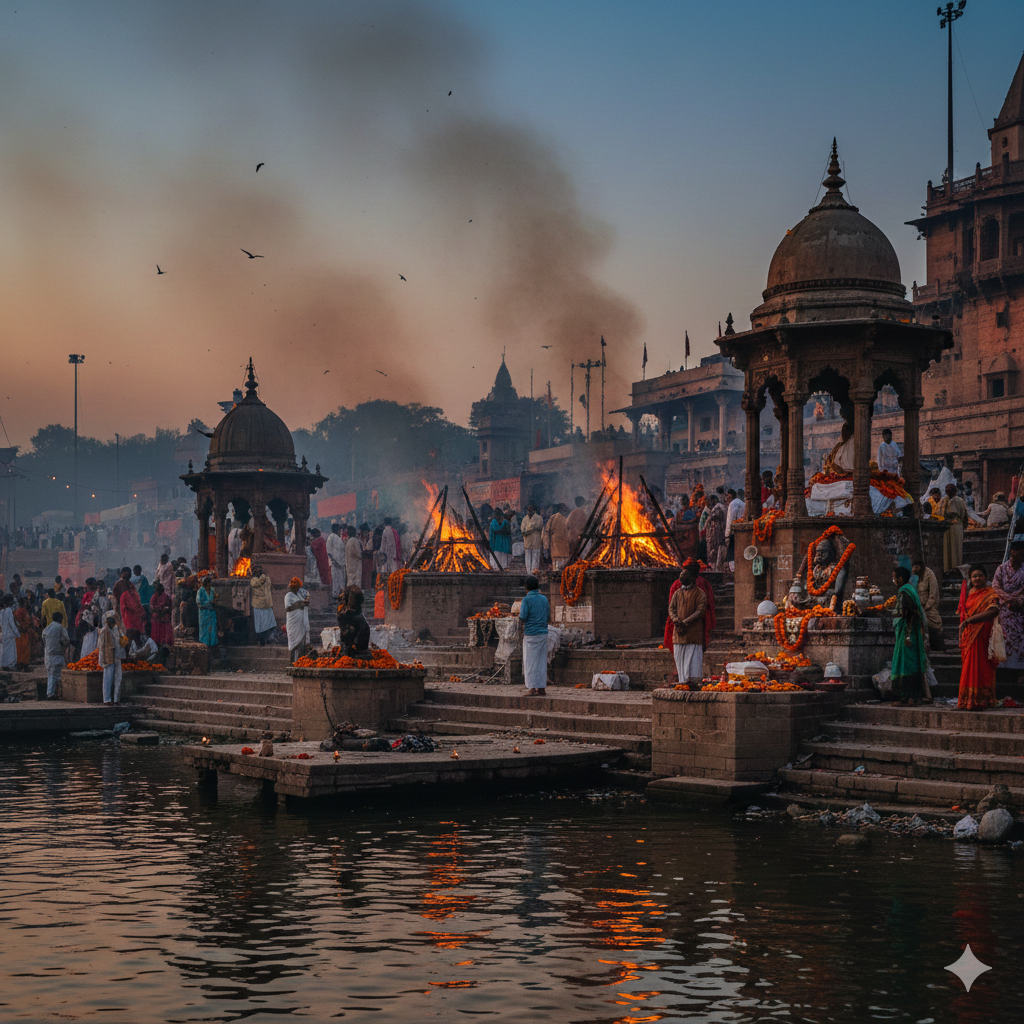
Mumbai providers typically offer two main options: traditional wood cremation (havankari) and electric furnace cremation (electric chulha/retort). Traditional wood cremations follow Hindu rites and use a wood pyre; families who prefer customary rituals often select this option. Electric cremations are faster, produce less smoke, and suit urban settings or families prioritizing convenience.
Many vendors bundle services into packages that include ambulance or hearse transport, pandit/rituals, floral arrangements, and facility booking. Some firms also handle non-Hindu customs or provide simple, low-cost direct cremation without rituals. Ask specifically about fuel type, ritual space, privacy options, and whether the package covers required permits and body transfer.
Process and Legal Requirements
You must first obtain the medical death certificate from the hospital or attending doctor. For deaths at home, notify the local police and a doctor to issue the certificate; then secure a cremation/permit form from the municipal office or the crematorium, as required by local regulations.
Bring identity documents (of the deceased and next of kin), the death certificate, and any hospital paperwork to the crematorium. You will need to complete municipal forms and pay applicable fees; some crematoria accept online booking and digital uploads to speed processing. If you plan to transport the body across state lines or abroad, additional clearance and documentation will be necessary.
Popular Crematoriums and Facilities
Several well-known crematoria serve Mumbai residents, located across Mumbai suburbs and central areas. Look for facilities such as municipal crematoria with electric and wood pyres, private centers offering 24×7 assistance, and modern complexes that provide online slot booking and separate waiting areas.
Compare facilities by checking:
- Type of pyre available (wood/electric)
- Booking method (walk-in, phone, online)
- Available support services (pandit, transport, floral)
- Access and capacity (weekday/weekend slots, peak-hour waits)
Contact the crematorium ahead to confirm slot availability, fees, and any COVID-19 or local policy updates that might affect rituals or visitor numbers.
Arranging Cremation in Mumbai
You will handle paperwork, transport, and payments when arranging a cremation in Mumbai. Plan who will contact the crematorium, what documents you need, and how the body will move from the place of death to the cremation ground.
Steps for Booking and Documentation
Call the crematorium or funeral provider to confirm available time slots and whether they offer electric or wood pyre options. Provide the deceased’s full name, age, time and place of death, and a contact number for the person arranging the rites.
Prepare these core documents: death certificate (issued by the hospital or municipal authority), family ID (one of the relatives), and any doctor’s certificate if the death was at home. If the body requires release from a hospital, obtain the hospital’s discharge or no-objection certificate before transport.
Many crematoria require advance booking and a nominal deposit to reserve a slot. Ask the provider about any additional forms—religious declarations, attendant lists, or permission slips—so you can gather them before the day of cremation.
Transportation and Logistics
Decide whether you will use ambulance transfer, a hearse, or a private vehicle permitted by the crematorium. Confirm whether the provider supplies transport and who will handle porters and attendants at pickup.
Check the crematorium’s arrival window and expected wait times to coordinate family and priest arrival. If the body needs refrigeration before cremation, verify availability of mortuary or freezer box service to preserve the body for several days.
Observe local rules: some grounds limit hours for wood pyres, restrict vehicle entry, or require specific vehicle registration papers. Ask about parking, access ramps for stretchers, and whether the crematorium provides basic ritual items or you must bring them.
Cost and Payment Options
Request a written quote that lists items separately: booking fee, transport, priest/pujari charges, wood or electric furnace fee, documentation handling, and any optional memorial items. Prices in Mumbai vary by location and service level; expect lower fees for direct cremation and higher fees for full ceremonial packages.
Confirm acceptable payment methods—cash, UPI, card, or bank transfer—and whether you must pay a deposit to secure the slot. Ask about refundable portions (for cancellations) and any additional charges for late arrivals or extended waiting.
If cost is a concern, ask the provider for basic package options or municipal crematorium rates, which are typically more affordable. Keep receipts and a copy of the booking confirmation for future reference or reimbursement.