


Step costs remain constant for a certain level of activity but increase once production crosses a specific limit. For instance, hiring additional supervisors after reaching a production threshold adds a new layer of cost. Product cost can be recorded as an inventory asset if the product has not yet been sold.
Overhead Costs

To illustrate the concept of variable costs, let’s consider an example of a manufacturing company that produces bicycles. Imagine a workshop where each product costs consist of stroke of the carpenter’s plane shaves wood and cost alike. That boils down to a $10 unit cost per chair—a straightforward example of the culmination of efforts and expenses into a single number. Or consider the toy manufacturer who crafts 2,500 toys for $50,000, simplifying their complexity into a neat $20 product cost per toy.
Example #1 – Direct Material Purchase Budget
The total cost involved in manufacturing a product from raw materials to its finished stage is known as product cost. It includes all expenses directly related to production, such as raw material, labor, and factory overhead. Variable cost (VC) changes according Foreign Currency Translation to the quantity of a good or service being produced. Variable costs are also the sum of marginal costs over all of the units produced (referred to as normal costs). For example, in the case of a clothing manufacturer, the variable costs would be the cost of the direct material (cloth) and the direct labor. The amount of materials and labor that is needed for each shirt increases in direct proportion to the number of shirts produced.
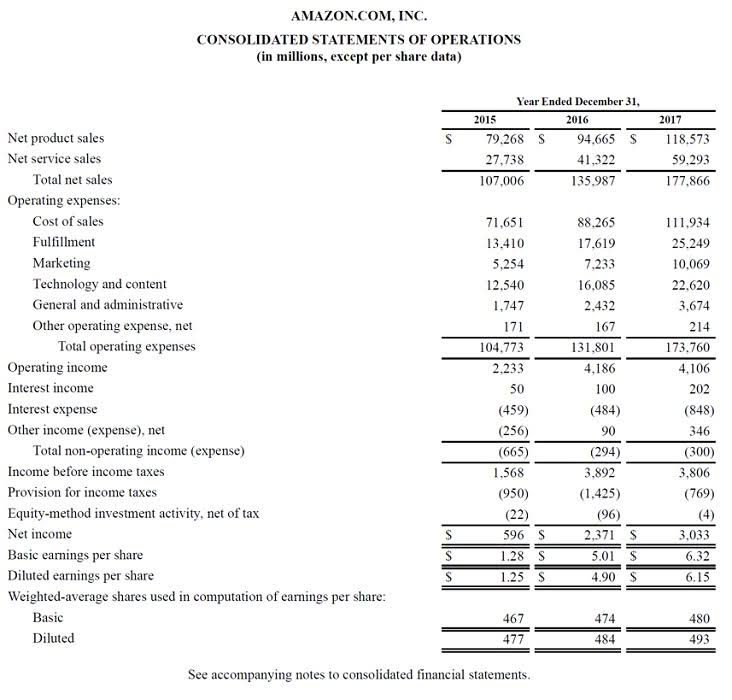
Costs on Financial Statements
- Direct materials are those raw materials that can be easily identified and measured.
- Joint costs are accumulated up to the split-off point and then allocated among the joint products using a systematic and rational method.
- For example, in manufacturing, direct costs may include the cost of raw materials, components, and the wages of workers directly involved in the production line.
- In order to set an appropriate sales price for a product, companies need to know how much it costs to produce an item.
- Variable cost (VC) changes according to the quantity of a good or service being produced.
All of these questions should get considered when establishing your final price. Your time should undoubtedly be taken into account and factored into your cost. This can give you a notion of where you might price your product created by using product management tools. Perform energy audits, wherein the energy consumption of your production processes is assessed to identify areas for efficiency improvements. Costs related to ensuring that products meet quality standards and specifications.

In the production department, two individuals each work one hour at a rate of $15 per hour, including taxes and benefits. The finishing department’s direct labor involves two individuals working one hour each at a rate of $18 per hour. When Dinosaur Vinyl requests materials to complete Job MAC001, the materials are moved from raw materials inventory to work in process inventory. We will use the beginning inventory balances in the accounts that were provided earlier in the example.
Just add the total fixed costs from a specific period of time to the total variable costs over the same period. It’s also important to recognize that simply reducing production costs won’t necessarily generate more profit. There’s always a need to have certain raw materials and labor to ensure your product or service is high-quality. The tires that are bought or manufactured in the plant are necessary to produce a finished car. These costs are directly added to the total production cost of a finished good. Likewise, the salary of the assembly line worker who mounts the tires on rims and bolts them onto the car would be considered a product cost because it is necessary to manufacture the end product.
- The most crucial step of the whole budgeting process is determining the overall and expected product cost per unit (shirt).
- By combining these strategies and adapting them to specific contexts, businesses can strike a balance between cost reduction and value creation.
- Below is a break down of subject weightings in the FMVA® financial analyst program.
- These are the materials you use in the production process that don’t end up as part of the final product.
- These unsold units would continue to be treated as asset until they are sold in a following year and their cost transferred from inventory account to cost of goods sold account.
- Shaun Conrad is a Certified Public Accountant and CPA exam expert with a passion for teaching.
Production costs are at the core of every business, impacting its selection of suppliers and the type of products and prices it offers to customers. Common areas of automation within production include processing orders, tracking shipments, managing resources, scheduling payroll, and the like. Business management software like QuickBooks Enterprise can also organize all production data on one platform and simplify data tracking throughout the business. Hence, the total cost for creating 1,000 tables is $12,900, while the per-unit cost is $13. Let’s take a closer look at the cost of production, what types there are and how to measure the cost of production. Then we’ll expand upon the definition with an example to better illustrate the definition.

What are Production Costs?
Returning to the example of Dinosaur Vinyl’s order for Macs & Cheese’s stadium sign, Figure 8.17 shows the materials requisition form for Job MAC001. This form indicates the quantity and specific items to be put into the work in process. It also transfers the cost of those items to the work in process inventory and decreases the raw materials inventory by the same amount. The raw materials inventory department maintains a copy to document the change in inventory levels, and the accounting department maintains a copy to properly assign the costs to the particular job. Fixed costs, as the name implies, are costs that don’t change over time.
To optimize product cost, businesses must analyze market trends, adjust production levels accordingly, and anticipate shifts in supply and demand. Additionally, building strong relationships with suppliers can aid in cost-effective sourcing. Embracing technological advancements for efficient production and supply chain management is also crucial in controlling product costs. It has a direct effect on profitability, pricing strategies, and market competitiveness. High product costs can result in lower profit margins, while lower https://averypta.org/current-survivors-pension-benefit-rates-veterans-3/ costs can attract a larger customer base and increase revenue. Effectively managing product costs through efficient sourcing, production, and distribution is crucial for maintaining a competitive advantage in the market.
